Welcome
Consider the Raven
I created Consider the Raven out of a question that kept resurfacing in my own life and in the lives of people around me: if Jesus came to usher in God’s kingdom and proclaim freedom, why do so many of us still feel stuck, especially in our closest relationships?
Originally, this question wasn’t about marriage specifically. It grew out of a broader tension I kept noticing in the Christian life: many of us believe the good news of the gospel yet still find ourselves caught in familiar patterns; fears, anxieties, wounds, reactions, and ways of thinking that don’t seem to change easily.
That tension led me on a long journey of searching and reflection through Scripture, prayer, journaling, listening to teachers, and exploring subjects as wide-ranging as how our brains work, the effects of trauma and suffering on what we believe, and the weight of Jesus’ own words about life in God’s kingdom.
Over time, I gathered the insights and questions that emerged from my own personal “scavenging” and digging and shaped them into this week-by-week journey. Consider the Raven isn’t about handing you conclusions or formulas. Instead, it’s an invitation to slow down, reflect, and wrestle with questions that may help uncover the freedom Jesus spoke about and the life God’s kingdom makes possible.
As I walked through these ideas personally and discussed them with others, I began to notice something: the same patterns that keep us from experiencing freedom personally often show up most clearly in marriage. Our closest relationships have a way of exposing the fears, expectations, wounds, and habits we carry beneath the surface.
That realization made me see that what began as a personal exploration of freedom could also become a journey couples take together. While Consider the Raven wasn’t originally written as a marriage curriculum, many of the questions and discoveries in it naturally speak into the places where marriages struggle—and where God desires to bring healing, renewal, and freedom.
If you are walking through this with me, we will be talking through what you’re discovering along the way. If you are working through it on your own, feel free to reach out with questions as you read. My hope is that this journey creates space for honest reflection, deeper understanding, and the kind of transformation that only Jesus and the Holy Spirit working within us can bring.
Each week you will have the opportunity to explore and “forage” through content from several sources—including Scripture, teaching from others, videos, and personal observations—all aimed at helping us pursue genuine heart change, renewed thinking, deeper connection, and the freedom that God desires for our lives and our marriages.
Influences
Each of us is shaped by voices and influences along the way; things we have read, listened to, watched, and conversations that have helped form our beliefs, perspectives, and understanding of life with God.
Consider the Raven is the culmination of my own time with the Lord through Scripture, prayer, and journal after journal of daily thoughts and dialogue with God. Along the way, my thinking has also been shaped by the insights and work of others whose teaching has helped me see Scripture, faith, and transformation more clearly.
Throughout this exploration, I have collected and captured clips, videos, ideas, and reflections from teachers and ministries that have influenced my thinking. You will see some of those included throughout this journey where they help illuminate or expand on the themes we are exploring.
Some of the voices that have particularly influenced me include:
- Tim Mackie – A Bible scholar and co-founder of The Bible Project whose teaching helps illuminate the overarching story, themes, and literary design of Scripture.
- Diane Stores – Founder of Door of Hope and The Dwelling Place, whose ministry focused on prayer and helping people encounter God’s healing presence in deeply personal ways.
- Jim Wilder – A “Neurotheologian” and Christian counselor known for integrating brain science, relationships, and spiritual formation to help explain how lasting transformation takes place.
- Ed Smith – Founder of Transformation Prayer Ministry, whose approach to prayer and discipleship helps people bring painful memories and beliefs to Jesus and experience healing and renewed perspective.
- Tim Keller – A pastor and author known for explaining the gospel in a way that thoughtfully connects biblical truth with the deeper questions and struggles of everyday life.
- John Piper – A pastor and theologian whose teaching emphasizes the glory of God and the deep joy found in treasuring Christ above everything else.
- Charles Spurgeon – (1834–1892) was a famous English Baptist pastor and preacher, often called the “Prince of Preachers,” whose sermons and writings have influenced generations of Christians with their clear, passionate teaching of the gospel.
Week One
Let’s Go.
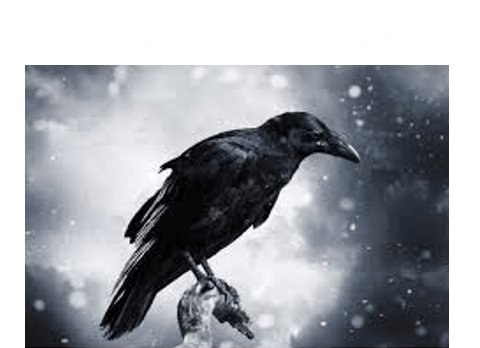
The title Consider the Raven comes from Jesus’ words in Luke 12:24:
“Consider the ravens: they do not sow or reap; they have no storeroom or barn; yet God feeds them. And how much more valuable you are than birds.”
In that moment, Jesus invited His listeners to slow down and pay attention—to observe something simple in creation and allow it to reshape how they understood God, themselves, and the anxieties they carried.
In many ways, that is the spirit of this journey. Rather than rushing toward quick answers or solutions, we will pause to “consider”, to notice what may have gone unseen, to reflect on the beliefs and patterns shaping our lives, and to invite God to renew our thinking and our hearts.
Just as Jesus pointed to the ravens to reveal something deeper about trust and the nature of God’s kingdom, this journey is an invitation to step back, look again, and allow the Spirit of God to guide us toward the freedom and transformation He desires for us—and for our marriages.
Then Jesus said to his disciples:
“Therefore I tell you, do not worry about your life, what you will eat; or about your body, what you will wear. For life is more than food, and the body more than clothes. Consider the Ravens: They do not sow or reap, they have no storeroom or barn; yet God feeds them. And how much more valuable you are than birds! Who of you by worrying can add a single hour to your life? Since you cannot do this very little thing, why do you worry about the rest?” Luke 12:22-26
In these verses from the Gospel of Luke, we see Jesus speaking directly to His followers about something very familiar to all of us: worry.
In the middle of this conversation, Jesus points their attention to something simple:
“Consider the ravens.”
Perhaps when you read that, your first thought is something like:
“Of course I’m more valuable than a raven. That makes sense. God takes care of them, so they don’t need to worry… but what does a raven have to do with my life and my worries?”
The raven was a bird Jesus and His followers would have seen often. In many ways, it’s similar to the crow—something we’re very familiar with here in Minnesota.
So let’s do what Jesus suggested and take a moment to consider the raven.
What do we know about ravens?
1. Ravens are scavengers
They are always searching, collecting, and foraging for food.
2. Ravens are extremely intelligent
In fact, scientists consider them among the smartest animals in the world. Even smarter than many primates.
3. Ravens are remarkable problem solvers
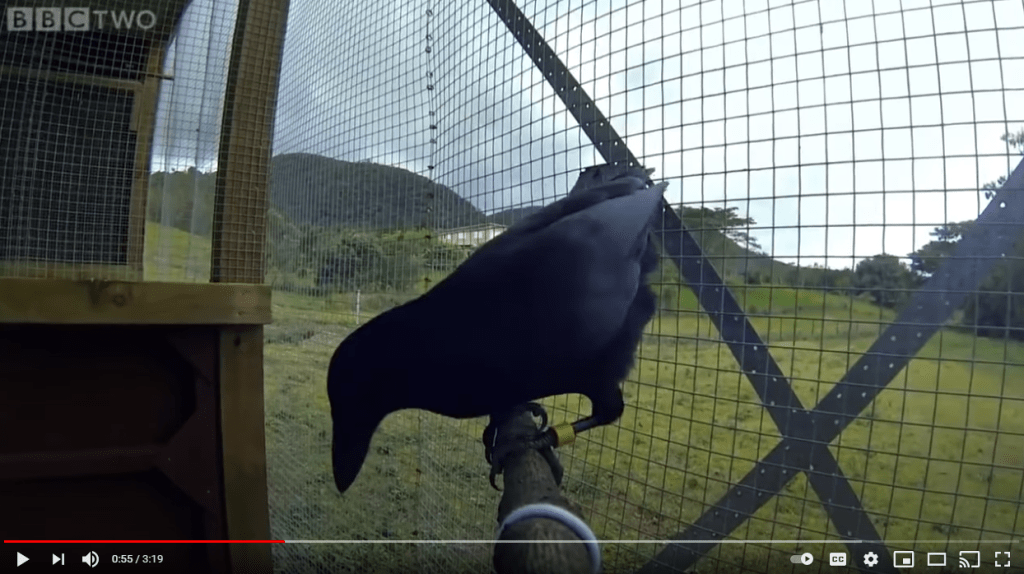
They can solve puzzles, use tools, and figure out complex problems in order to get what they need.
You can watch a short example of the intelligence of a raven here https://youtu.be/WYBATyILJD8
Note: After watching, use your browser’s back arrow to return
4. Ravens have a voracious appetite!
They are always searching for something to eat
5. A Raven was thought to be “unclean” in biblical times.
According to Jewish law, ravens were classified among animals that were not considered clean.
Let’s examine some comparisons between a Raven and humans.
| Raven | Human |
| A scavenger and forager, constantly searching for food that is often difficult to obtain | Also constantly searching—working, striving, providing, trying to find our way and make life work |
| Highly intelligent | The most intellectually capable creatures on earth |
| Skilled problem solvers, able to figure out complex challenges | Constantly solving problems and relying on our own understanding |
| Has a voracious appetite | A constant appetite for satisfaction, security, meaning, and fulfillment |
| Considered “unclean” in scripture | Also described in Scripture as spiritually unclean because of our sinful nature |
Reflect on this comparison for a moment and ask yourself; what might Jesus be asking his followers to “consider?”
Here are some possibilities:
- Jesus understands that our life in this world will involve struggle
- Jesus understands our depravity, our “unclean nature”, our brokenness. Our tendency to drift, to carry wounds that shape how we think and respond
- He knows that as we struggle in our current circumstances, search for answers and have unmet needs we will worry and have anxiety about it.
- Jesus knows that we will be “triggered” by many things in our lives and when this happens our “knee-jerk” reactions may be to:
- Worry and be consumed with anxiety
- Try to control and rely on ourselves
- Be overwhelmed and emotionally withdrawn from others
- Get angry and blame others for our struggles
- Distract ourselves with things to dodge any pain we may feel
- Slip into discouragement or a sense of hopelessness
If we’re honest, most of us recognize these patterns in our own lives.
Yet in the middle of that reality—our striving, our searching, our worrying—Jesus says:
“Consider the ravens.”
Four Things Jesus Points Out About the Raven
When Jesus tells His followers to “consider the ravens,” He calls attention to several striking things about them.
1. The raven does not sow.
It does not plant or cultivate crops.
2. The raven does not reap.
It does not harvest food that it has grown.
3. The raven has no storeroom or barn.
Unlike people who plant, harvest, and store food for the future, the raven does not stockpile or build reserves.
4. Yet God still provides for it.
Despite all these realities, Jesus says that God feeds the ravens and cares for their needs.
Think about the contrast Jesus is highlighting.
The raven does not control its future through planting, harvesting, or storing. It simply searches each day for what it needs—and yet God sustains it.
And then Jesus adds the key point:
“How much more valuable are you than birds.”
If God cares for a creature that does not plan, store, or secure its future in the ways we try to, what might that say about how we think about provision, control, and worry?
Jesus goes on to talk about several other critical truths:
- If God takes care of and watches over Ravens, how much more valuable are you than them?
- Who of you by worrying can add a single hour to your life?
- And since you aren’t able to add a single hour to your life, (which to God is a little thing), why do you get all “worked up” about the rest?
Jesus is inviting His followers to wrestle with a difficult truth:
worry gives us the illusion of control, but it actually changes nothing.
A Small Moment That Made Me Think
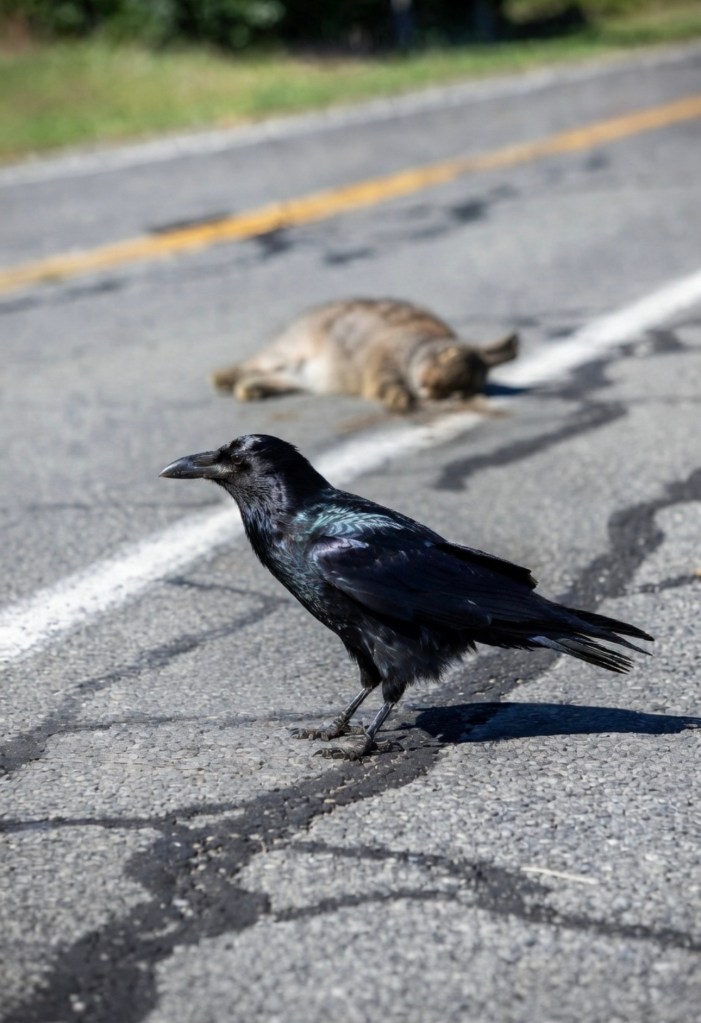
I was on a run and saw a dead rabbit in the road. A raven was having it for lunch. The next day, as I ran by the same spot, the rabbit was gone. As I passed by, this is what I thought: The raven, on any given day, doesn’t know where its next meal will come from. It doesn’t plant crops. It doesn’t harvest. It doesn’t store food away in barns.
And yet somehow, day after day, it finds what it needs.
That raven simply did what ravens do, it searched, scavenged, and found what was provided.
And in that moment I thought about Jesus’ words:
“Consider the ravens.”
The raven had no plan, no storage system, no guarantee of tomorrow’s meal.
But somehow, there it was…provided for once again.
Jesus knew exactly what the raven was like.
He knew that it was considered an unclean creature.
He knew that its appetite was rarely satisfied.
He knew that it was intelligent, resourceful, and constantly solving problems in order to survive.
He knew that its existence could often be difficult.
And in many ways, we are not so different.
Like the raven, we live in a world where we must work, search, solve problems, and navigate challenges. We have needs, desires, and concerns that can easily consume our thoughts. We often rely on our own understanding and strength to try to make life work.
Yet Jesus points to this very creature and says, in essence:
“I know everything these creatures need, and I care for them.”
The raven does not live free from struggle.
It still searches. It still works. It still faces the realities of life.
But it does live free from worry.
The raven lives with a kind of freedom. Not freedom from difficulty, but freedom in the middle of it.
And Jesus is saying:
“That kind of freedom is possible for you too.”
You may find that hard to believe.
Perhaps you’ve been wrestling with failure, deep hurt, or challenges that feel overwhelming. Maybe pain from past trauma or abuse still lingers beneath the surface. Those wounds can often appear most clearly in our closest relationships, especially in marriage; where old fears, beliefs, and emotions can be triggered in ways we don’t fully understand. Maybe there are unresolved questions or struggles that seem too heavy to carry.
If that’s where you are, you’re not alone.
And this journey is not about pretending those struggles don’t exist.
Instead, it’s about slowly exploring whether the freedom Jesus spoke about—the kind of freedom that exists even in the middle of life’s difficulties, might actually be possible.
At times you may struggle with feelings like:
- Rejection
- Abandonment
- Hopelessness
- Anger
- Unforgiveness
- Emotional numbness
- Discouragement
- Worthlessness
- Disconnection
When these emotions are present, life can begin to feel like survival.
Like a raven, we may feel as if we are scavenging our way through life, constantly searching, collecting, and striving for the things we think we need in order to be safe, satisfied, or secure.
But unlike the natural instincts of a raven, human beings carry something much more complex: emotional wounds from our experiences.
Through life’s hardships, disappointments, trauma, or abuse, we can develop beliefs about ourselves, about others, and even about God. Many of these beliefs form quietly over time, often without us realizing it.
How Our Minds Respond
When something happens in our lives, our minds interpret the situation almost instantly—often in a fraction of a second. Based on what we believe to be true, we then experience an emotion.
In other words:
Our emotions often come from what we believe.
Another way to say it is:
We tend to feel whatever we believe is true.
If our deeper beliefs have been shaped by unresolved wounds, those beliefs can influence how we experience life today.
For example, unresolved wounds may cause someone to feel:
- anxious
- overwhelmed
- worthless
- afraid
- rejected
- ashamed
- or like they want to withdraw and run away
These emotional reactions can feel automatic, almost as if they appear out of nowhere.
But often they are connected to what lies underneath – our core beliefs about ourselves and our world.
Core Beliefs and “Lie-Based” Beliefs
Many painful experiences in life, especially trauma, abuse, or deep disappointment—can lead us to form beliefs that feel true but are not actually grounded in God’s truth.
These are sometimes called “lie-based beliefs.”
For example, someone might begin to believe things like:
- I am not worthy.
- I am unlovable.
- I will always be abandoned.
- I have to control everything to be safe.
- I am on my own.
These beliefs can feel deeply real because they were formed in moments of real pain.
And this helps explain something many Christians struggle with.
We may understand intellectually when Jesus says we do not have to live in worry and can experience freedom.
But if deeper beliefs inside us are telling a different story, we may still find ourselves feeling anxious, fearful, or trapped in old patterns.
In other words:
We may know the truth in our minds, but still struggle to experience that truth in our hearts.
Core lie based beliefs may feel true but are not. This is why we may understand intellectually when Jesus says we don’t have to worry and can live in freedom. Yet we still worry and don’t feel like we’re living in freedom.
So what do I do?
These questions naturally lead us to ask:
- What beliefs might I be carrying that aren’t actually true?
- What emotional “land mines” from past experiences still affect how I respond today?
- Why do certain situations trigger such strong reactions in me?
- Why do I sometimes feel spiritually or emotionally stuck or unhealthy?
These are not easy questions. But they are important ones.
They are the kinds of questions we want to explore together throughout this journey.
Just as the raven spends its days searching and foraging, we are beginning our own kind of search—gathering insight, truth, and understanding along the way.
Throughout this study we will slowly “collect” pieces that may help us better understand our hearts, our beliefs, and the ways God may want to bring healing and renewal into our lives.
The goal is not simply to analyze our struggles, but to discover how the truth of Jesus and the work of the Holy Spirit can bring real freedom—even in the middle of life’s challenges.
You have likely seen this video before. Note: When you’re done watching hit the return arrow in your browser in the upper left corner to come back to this site:
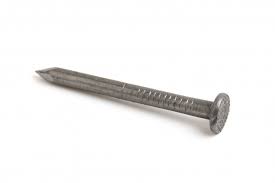
Even though the situation is absurd, the truth is that many of us walk through life with our own version of “nails in our heads.” Like the woman in the video, we often cannot see them clearly ourselves.
Pain is often a major part of this reality.
Unresolved pain and lie-based beliefs formed through our experiences can produce much of the emotional pain we feel today. These beliefs influence how we see ourselves, how we respond to others, and the choices we make. Over time, they can shape the course of our lives more than we realize.
When our beliefs—both what we understand intellectually and what we believe deep in our hearts—accurately reflect God’s truth, we are able to think, feel, and act in healthy and natural ways.
But when pain has been avoided, hidden, or pushed down, something different begins to happen.
Instead of addressing the pain, we often develop coping mechanisms.
A coping mechanism is simply a strategy we use to keep ourselves from feeling pain.
These strategies may have helped us survive difficult moments in life, but over time they can begin to shape how we respond to people and situations around us.
Common Coping Responses
Some examples of coping responses that can develop from unresolved wounds include:
Anger
When triggered, anger becomes a way to protect ourselves.
Denial
We minimize what happened: “That’s just how things were. It wasn’t a big deal.”
Excusing harmful behavior
“They were doing the best they could.”
“They didn’t really mean it.”
Blame
Blaming ourselves: “It was my fault.”
Blaming others: “I feel this way because of you.”
Isolation
Withdrawing emotionally, shutting down, or keeping relationships superficial so no one can really know us.
Escape
Trying to numb or avoid pain through distraction—work, hobbies, entertainment, substances, pornography, or other forms of escape.
For many people, these coping mechanisms once felt like lifesavers. They helped us get through painful seasons of life.
But over time, something changes.
What once helped us survive can eventually become a crutch—keeping us from facing the truth, experiencing healing, or living with freedom.
Three Voices You May Hear
As you move through this journey over the coming weeks, you may experience many thoughts and emotions. It can sometimes be difficult to know what to do with them.
It may help to recognize that there are often three different voices we can listen to.
God’s Voice
God may speak to us about our behavior, but He never shames us or attacks our identity.
God’s voice:
- stills you
- leads you
- reassures you
- encourages you
- enlightens you
- comforts you
- calms you
- gently convicts you
The Enemy’s Voice
The enemy attacks our identity and seeks to discourage or confuse us.
The enemy’s voice:
- rushes you
- pushes you
- frightens you
- confuses you
- discourages you
- shames you
- fills you with worry
- obsesses you
- condemns you
Your Own Voice
Our inner voice often decides which voice we will agree with.
We can choose to align our thoughts with God’s truth, or we can unknowingly repeat the lies that have shaped our beliefs.
Learning to recognize this difference is an important part of the journey toward freedom.
Talk to God About It
One of the most important things to remember is this:
God welcomes your questions.
If you are unsure about what you are hearing or feeling, simply ask Him.
You might pray something like:
“Lord, is this you?”
“Lord, what do you want me to know?”
“Lord, how do you see me?”
God promises that He will guide His people.
Jesus said:
“My sheep hear My voice, and I know them, and they follow Me.”
– John 10:27
He is faithful to teach you how to recognize His voice.
He will be faithful in teaching you to follow His voice. He promises you in John 10:27, “My sheep hear My voice.”
Closing thoughts for Week 1
Jesus told His followers:
“Consider the ravens.”
At first glance, that seems like a strange illustration.
The raven is not a majestic bird. It is not admired or celebrated. In Jesus’ time it was considered unclean. It survives by scavenging, constantly searching for food, solving problems, and doing whatever it must to get through the day.
In many ways, that sounds a lot like us.
We spend our lives searching, striving, solving problems, trying to provide, trying to make sense of things, and trying to protect ourselves from pain.
And yet Jesus points to that very creature and says:
“God feeds them.”
The raven still works.
The raven still searches.
The raven still lives in a world where survival is not easy.
But the raven does not live with worry.
It lives with a kind of freedom – not freedom from struggle, but freedom in the middle of it.
And Jesus says:
“You are far more valuable than they are.”
The Hidden Problem
If that kind of freedom is possible, then an important question emerges:
Why do so many of us struggle to experience it?
This is where the “nail in the head” illustration becomes helpful.
Just like the woman in the video, sometimes the real source of our pain is something we cannot clearly see ourselves.
Unresolved wounds.
False beliefs formed through painful experiences.
Coping mechanisms we developed just to survive.
These things quietly shape how we see ourselves, how we see others, and even how we see God.
They influence our emotions, our reactions, and the choices we make.
And many times, we keep trying to fix the symptoms without realizing there may be a deeper issue underneath.
The Journey We Are Beginning
This study is not about blaming the past or endlessly analyzing problems.
Instead, it is about beginning a search for truth.
Like the raven that searches and forages each day, we will spend the coming weeks gathering insight, truth, and understanding about what may be shaping our lives beneath the surface.
Along the way we will explore:
- beliefs that may have formed through painful experiences
- coping mechanisms we developed to protect ourselves
- how our emotions connect to what we believe
- and how Jesus brings healing, truth, and freedom into those places
The goal is not simply to understand our struggles.
The goal is to experience the kind of freedom Jesus described.
Not freedom from difficulty.
But freedom in spite of it.
One Final Thought
If God watches over ravens, creatures that struggle, search, and survive in a difficult world…then how much more does He care about you?
Your story matters to Him.
Your wounds matter to Him.
Your questions matter to Him.
And as Jesus promised:
“My sheep hear My voice.” – John 10:27
Over the coming weeks, we will learn to slow down, listen, and consider what God may want to reveal.
Just as Jesus invited His followers long ago:
Consider the ravens.
This week’s questions are below.
Questions for Week One
- Jesus describes the raven as living in freedom, not freedom from struggle, but freedom in spite of struggle.
- What do you think living in that kind of freedom means?
- What might that kind of freedom look like in a person’s life?
- Do you feel like you are currently living in that kind of freedom?
- Why or why not?
- From the list below, which of these emotions do you experience most often?
- Describe when or where you typically feel them (feel free to add any that are not listed)
- Rejection
- Abandonment
- Hopelessness
- Anger
- Unforgiveness
- Emotional numbness
- Discouragement
- Worthlessness
- Disconnection
- Describe when or where you typically feel them (feel free to add any that are not listed)
- This study suggested “we feel whatever we believe”
- What does this mean to you?
- What is a lie-based belief?
- Can you think of an example of one you have struggled with?
- What are some coping solutions you have put into place to protect you?
- What are your thoughts about the idea of three voices influencing us:
- God’s voice
- The enemy’s voice
- Our own inner voice
- How do you personally try to discern between them?
- Looking ahead to the coming weeks
- What are some things you would like to see God do in your life?

 Consider the Raven